
How to Break In New Leather Boots Without Blisters
A gradual plan for softening stiff leather boots so they mold to your feet instead of rubbing them raw.
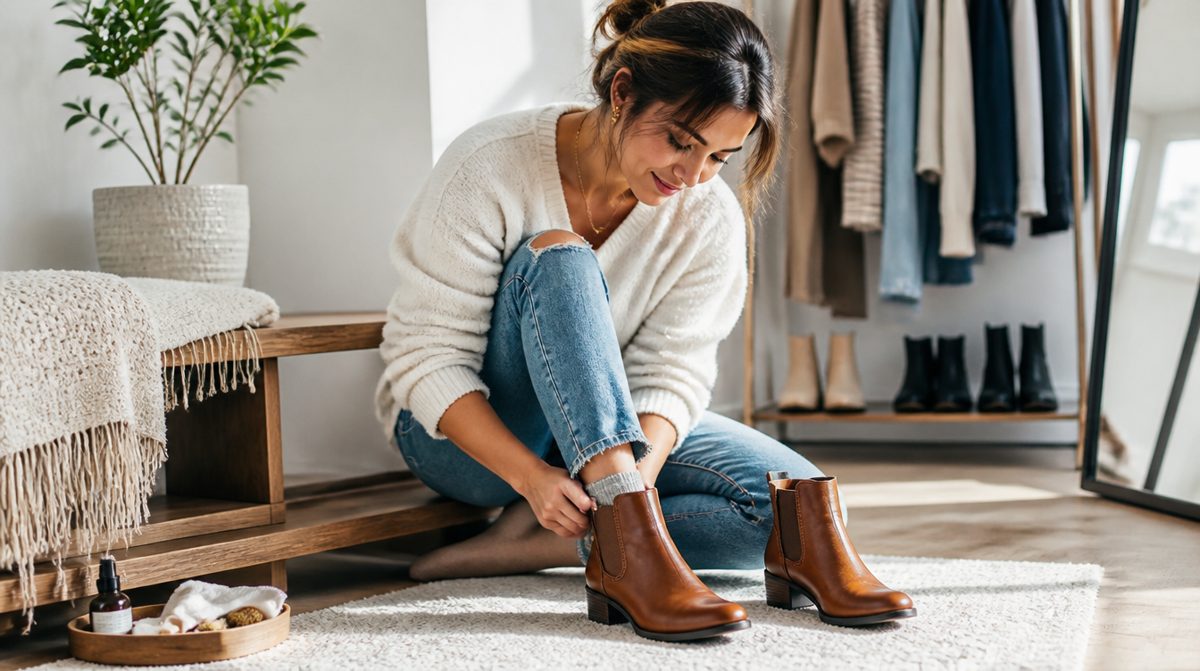
A good pair of leather boots can last for many years, but they rarely feel perfect on day one. Full-grain leather is stiff at first and needs time to flex and shape around your foot. Rushing the process is the surest way to end up with blisters. A gentle, patient break-in turns a stiff pair into your most comfortable shoes.
Start With the Right Fit
Break-in can soften leather, but it cannot fix a boot that is truly the wrong size. Your heel should feel secure with only slight lift when you walk, your toes should wiggle freely, and there should be no sharp pressure points. Try boots on in the afternoon, when feet are naturally a little larger, and wear the socks you plan to use. If something hurts in the store, it will probably hurt at home.
A Step-by-Step Break-In Plan
- Begin at home. Wear the boots indoors for an hour or two on carpet or a soft surface. Pay attention to any early hot spots at the heel, the ankle bone or the sides of the toes.
- Wear thick socks. Cushioned wool or wool-blend socks add padding and slightly stretch the leather as you walk. Avoid thin cotton socks, which hold moisture and increase friction.
- Protect trouble spots early. Put a bit of moleskin or a soft bandage on areas that tend to rub before a blister forms. It is far easier to prevent a blister than to heal one.
- Flex the leather by hand. Before wearing, bend the boot across the ball of the foot a few times, and press gently around the ankle collar. This starts the softening process without stress on your foot.
- Condition lightly. Apply a small amount of leather conditioner suited to the type of leather, then wipe off the extra. Do not soak the boots, since too much product can make leather overly soft and weaken its structure.
- Increase wear time slowly. Go from short indoor sessions to short walks outdoors, then to half days. Plan to wear them for a couple of weeks before a long day on your feet.
- Rotate with other shoes. Give your feet and the leather a break between wears. Boots also dry out between uses, which helps them keep their shape.
Things to Avoid
Skip shortcuts that promise instant results, such as soaking boots in water and wearing them until they dry. This can damage leather, strip natural oils and cause cracking. Heat from a hair dryer or heater can also dry out leather and shrink stitching. If a boot feels too tight in a specific area, a local cobbler can often stretch it professionally and safely.
How Long Should It Take?
The timeline varies with the leather, the construction and how often you wear the boots. Lighter, softer leathers may feel comfortable within days. Heavy work boots and structured styles with thick soles can take several weeks. Some stiffness at the start is normal, but real pain is a signal to stop and reassess, not to push through.
Care After Break-In
Once your boots feel comfortable, keep them that way. Brush off dirt after wearing, let damp boots dry naturally away from direct heat, and use cedar shoe trees to hold the shape and absorb moisture. Condition a few times per year depending on how often you wear them and the weather you face. Resoling a quality pair can give them a second life.
Takeaway: Choose a proper fit, go slowly, pad the hot spots and let time do the work. The reward is a pair of boots that feels like it was made for you.