A Checklist for Buying Secondhand Clothing
What to inspect in thrift, consignment and resale shops so you take home pieces that last.
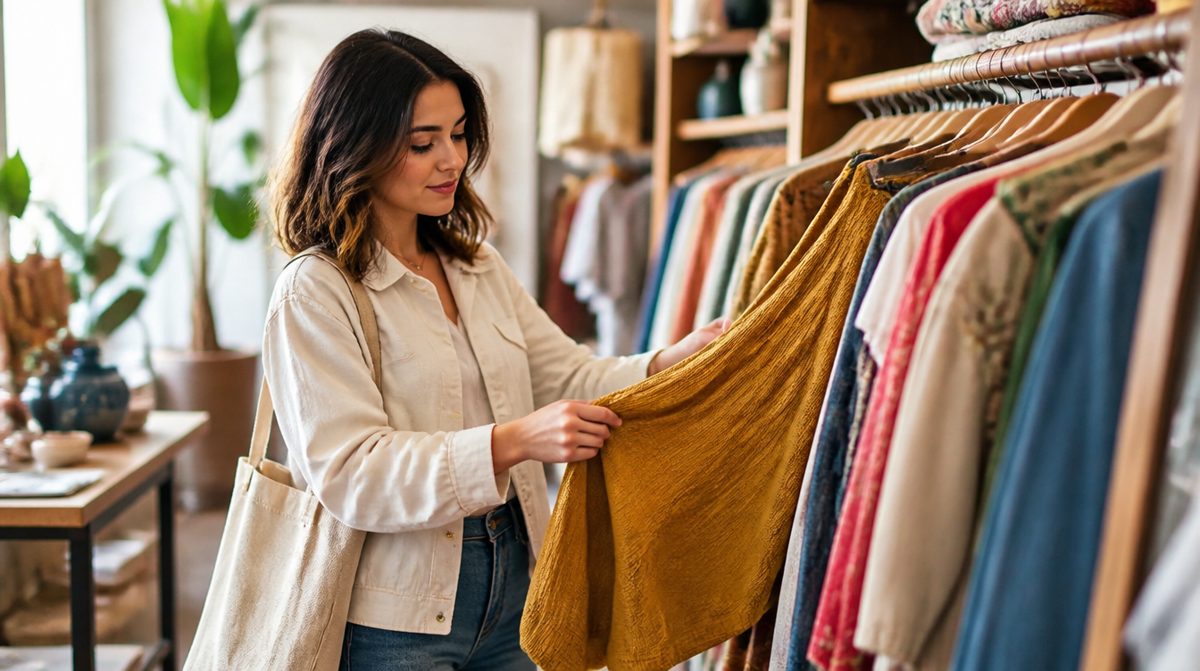
Secondhand shopping can stretch a clothing budget and keep good garments in circulation, but quality varies widely from rack to rack. A methodical inspection separates the treasures from the pieces that will disappoint after one wash. This checklist covers what to look at before you head to the register, whether you shop in a thrift store, a consignment shop or an online resale marketplace.
Before You Leave Home
- Know your measurements, since vintage and older sizing often runs differently from modern labels
- Make a short list of what you actually need, so you resist impulse buys
- Bring a tape measure and a small flashlight or use your phone light for dim stores
- Wear clothing that is easy to try things on over, such as leggings and a fitted top
- Carry a reusable bag for your purchases
Inspect the Fabric and Construction
- Hold the fabric up to the light to find thin patches, pilling or small holes
- Gently stretch the fabric at stress points and check that it springs back
- Look at the seams, especially under the arms, at the crotch and along the shoulders
- Check that stitching is even and there are no loose threads or gaps
- Run your hand over knits for snags, stretched-out areas or felted spots
- Check the lining of coats and jackets for rips or sagging hems
Check Closures, Collars and Cuffs
- Zip and unzip every zipper to confirm it runs smoothly and stays closed
- Make sure buttons are present, matching and firmly attached
- Inspect collars and cuffs, which show wear first and are hard to repair
- Test snaps, hooks and elastic waistbands for strength
- Look inside pockets for holes
Look for Stains, Smells and Damage
- Scan the underarms, collar and hem, where stains tend to hide
- Sniff the garment for lingering smoke, mildew or strong perfume, which can be stubborn to remove
- Check for yellowing on white or light fabrics, which is often difficult to reverse
- Look for moth damage, which appears as tiny clustered holes in wool and cashmere
- Avoid anything with visible mold, since it can spread to your other clothes
Judge the Value Honestly
- Ask whether you would buy it new at this condition and fit
- Consider alteration needs, since a hem is easy to fix but a too-small shoulder is not
- Think about cleaning, because dry-clean-only items may add ongoing upkeep
- Check the care label and fiber content for quality natural or durable fibers
- Imagine at least three outfits you could build with it
After You Buy
Wash or dry clean every secondhand item before wearing it, following the care label. Many shoppers set new finds aside in a separate bin or bag while they are cleaned so they do not mix with the rest of the closet. For shoes, replace insoles if needed and wipe the interior with a gentle cleaner. If you notice a flaw you missed, many consignment shops have specific return rules, so ask about the policy at checkout. Some thrift stores have no returns at all, which is one more reason to inspect carefully.
Online resale adds a few extra steps. Study every photo, read the measurements in the listing and ask the seller questions about flaws or smells. Check the return policy of the platform before you commit.
Takeaway: Inspect fabric, seams, closures and smell, and judge each piece as if you were paying full price for it. A careful eye turns secondhand shopping into a reliable source of quality clothing.