
The Winter Car Prep Cheat Sheet
A seasonal reference of what to check, change, and carry before cold weather arrives.
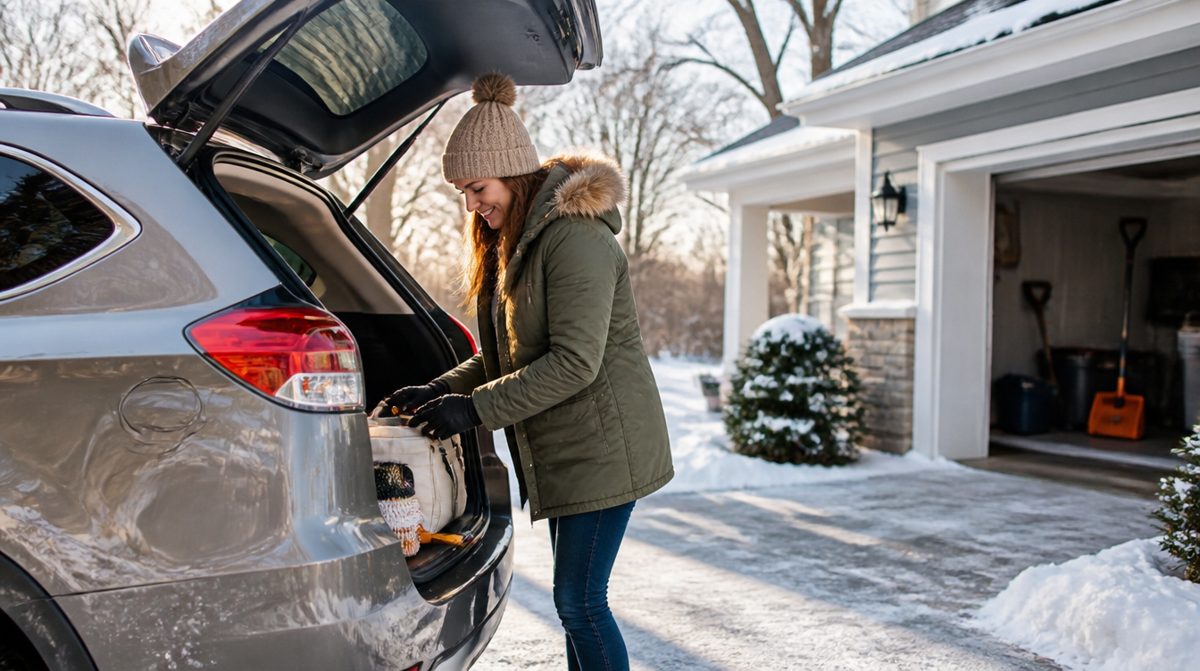
Cold weather is hard on cars. Batteries lose power, fluids thicken, and tires lose grip. A day of preparation in the fall helps you avoid trouble when temperatures drop. Use this cheat sheet as a quick reference, adjusted for the conditions where you live.
Battery and Starting
- Have the battery tested, especially if it is more than a few years old.
- Clean corrosion from terminals and tighten connections.
- Keep jumper cables or a portable jump pack in the car.
- If you park outside, consider a garage or sheltered spot when possible.
Tires and Traction
- Check pressure often, since it drops as the air gets colder.
- Measure tread depth and replace worn tires before the first storm.
- Ask a tire professional whether winter or all-season tires suit your area.
- Make sure the spare is inflated and the jack is in the car.
Fluids
- Coolant and antifreeze: confirm the mixture protects against the cold temperatures in your region. A shop can test it.
- Washer fluid: switch to a winter formula rated for freezing temperatures.
- Oil: use the viscosity recommended in your manual for cold weather.
- Keep the gas tank at least half full, which helps prevent moisture buildup and gives you a reserve if you get stuck.
Visibility
- Replace worn wiper blades, and consider winter blades designed to resist ice.
- Check all lights and clean lenses.
- Test the defroster and heater.
- Keep an ice scraper and snow brush within reach.
- Clear all snow from the roof, hood, and lights before driving.
Brakes and Suspension
Have the brakes inspected before winter, since stopping on slick roads leaves little margin for worn pads. Listen for grinding or squealing, and pay attention to any pulling to one side.
The Winter Emergency Kit
- Blankets, extra warm clothing, hats, and gloves
- Flashlight with spare batteries
- Small shovel and traction material such as sand or kitty litter
- Water and non-perishable snacks
- Phone charger or power bank
- First-aid supplies
- Reflective triangles or flares
Driving Tips
- Slow down and increase following distance. Stopping takes much longer on ice.
- Brake gently and steer smoothly.
- Do not use cruise control on slick roads.
- If you start to skid, ease off the accelerator and steer in the direction you want the car to go.
- Never run the engine in a closed garage, and check that the tailpipe is clear of snow if you are idling.
If You Get Stranded
Stay with your vehicle, which is easier for rescuers to find and provides shelter. Call for help and give your location. Run the engine briefly for heat while keeping the tailpipe clear, and conserve fuel. Use blankets and layers to stay warm.
Start Early
Do not wait for the first snowfall to prepare. Appointments get crowded when the weather turns, and shops can run short of popular parts. Schedule the battery test, the tire check, and the fluid inspection in the fall, and put your winter kit in the trunk before you need it. A calm afternoon of preparation beats a cold morning of trouble. Check your owner's manual for any cold-weather guidance specific to your model, such as remote start rules or battery maintenance tips, and keep your phone charged before any winter drive.
The takeaway: battery, tires, fluids, visibility, and an emergency kit are the five things to check before winter. A little preparation now can keep you safe and moving when the weather turns.