
The Pre-Road-Trip Car Checklist
A practical list of what to inspect and pack before a long drive, so small problems stay small.
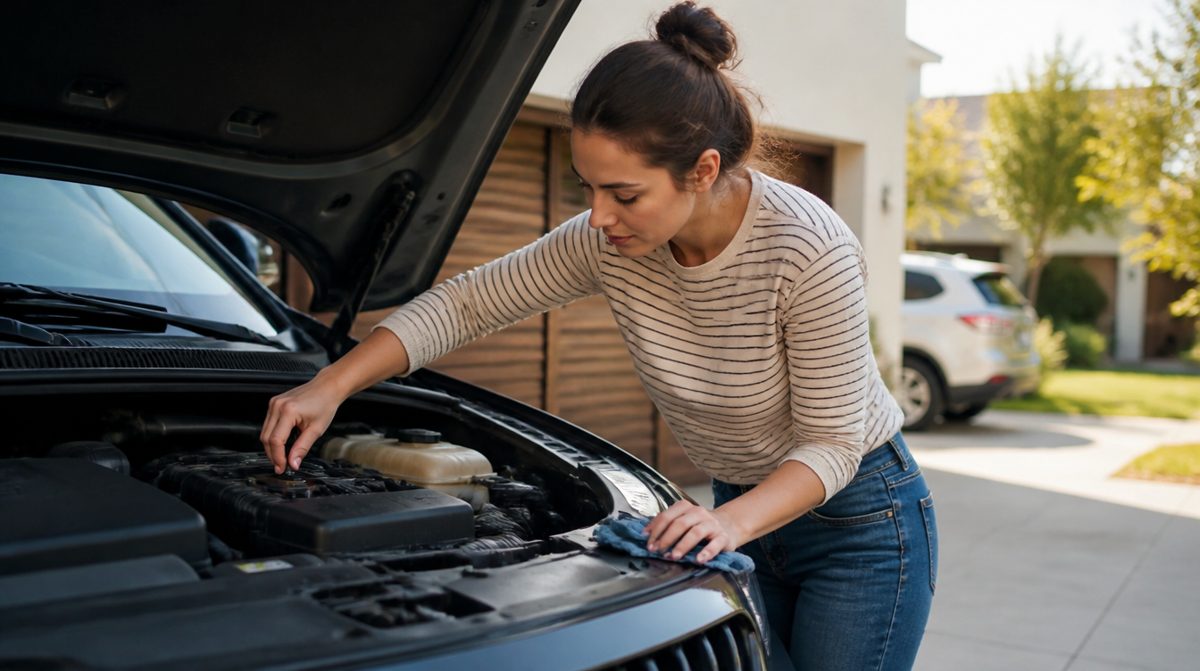
A long drive puts more demands on your car than daily errands, and the middle of nowhere is a poor place to discover a worn tire or a low fluid. A short inspection a few days before departure leaves time to fix anything you find. Use this checklist and work through it section by section.
Tires and Wheels
- Check pressure on all four tires and the spare, using the door-jamb placard as your guide.
- Inspect tread depth and look for cracks, bulges, or objects stuck in the rubber.
- Confirm the jack, lug wrench, and wheel lock key are in the car.
- Look at the tires for uneven wear, which can signal an alignment issue worth checking before a long trip.
Fluids Under the Hood
- Engine oil: park on level ground, pull the dipstick, and confirm the level is between the marks.
- Coolant: check the reservoir level only when the engine is cool.
- Brake fluid: confirm the level is in the normal range.
- Windshield washer fluid: fill it up, since bugs and road grime add up fast.
- Power steering and transmission fluid if your vehicle uses a dipstick or reservoir for them.
If the oil is dark and well past its interval, schedule a change before you leave. If any fluid is noticeably low, find out why rather than simply topping it off.
Lights, Wipers, and Visibility
- Test headlights, high beams, brake lights, turn signals, and hazard lights. Ask a helper to stand behind the car.
- Replace wiper blades that streak or chatter.
- Clean the windshield inside and out, and the mirrors.
- Make sure the rear window defroster and the heater work.
Battery and Belts
- Look for corrosion on battery terminals and confirm the clamps are snug.
- If the battery is several years old or the engine cranks slowly, have it tested for free or a small fee at most parts stores.
- Inspect visible belts and hoses for cracks, fraying, or soft spots.
Paperwork and Safety Items
- Driver's license, registration, and proof of insurance
- Insurance company phone number and roadside assistance information
- Emergency kit with a flashlight, first-aid supplies, jumper cables, and reflective triangles
- Phone charger and a paper map or offline directions for areas with weak signal
- Water and snacks in case of delays
Packing the Car Smartly
Place heavy items low and toward the center of the vehicle, and secure loose objects so they do not become projectiles in a sudden stop. Do not block the rear window or side mirrors. If you are carrying more weight than usual, check your owner's manual for any recommended tire pressure adjustment.
The Day You Leave
- Fill the tank and start with a full charge on your phone.
- Plan rest breaks every couple of hours to stay alert.
- Share your route and expected arrival time with someone at home.
- Pay attention to any new noises, smells, or warning lights in the first hour and address them right away.
Plan for Real-World Conditions
Think about where you are going. Mountain routes, desert heat, and long stretches without services each call for different preparation. Check the forecast along your route, and consider downloading maps for offline use. If you have time, do a short test drive after any repair so you can confirm everything feels right before you are far from home.
The takeaway: the most useful checks are tires, fluids, lights, battery, and paperwork. Do the inspection early so you have time to make repairs, and pack a basic emergency kit. A calm, prepared start makes the whole trip better.