
How to Get Your Car Ready to Sell Privately
A step-by-step plan for preparing paperwork, cleaning, and presenting your car to buyers.
Selling a car on your own takes more effort than trading it in, but a well-prepared vehicle tends to attract more serious buyers and smoother negotiations. The key is to get your paperwork, presentation, and pricing research in order before you post a listing. Follow these steps in order.
Prepare the Paperwork and the Car
Step 1: Gather the Paperwork
Buyers feel more comfortable when documentation is organized. Rules about titles, bills of sale, and transfers vary by state, so check with your state's motor vehicle agency for exact requirements.
- Locate the title. If a lender still holds it, ask how to complete a payoff and release before the sale.
- Collect maintenance records. Receipts for oil changes, tires, and repairs show the car was cared for.
- Find the owner's manual and spare keys. Missing keys can lower a buyer's confidence.
- Obtain a vehicle history report so you know what a buyer will see and can explain anything that appears.
- Look up your state's rules about emissions, safety inspections, and license plates.
Step 2: Clean and Refresh
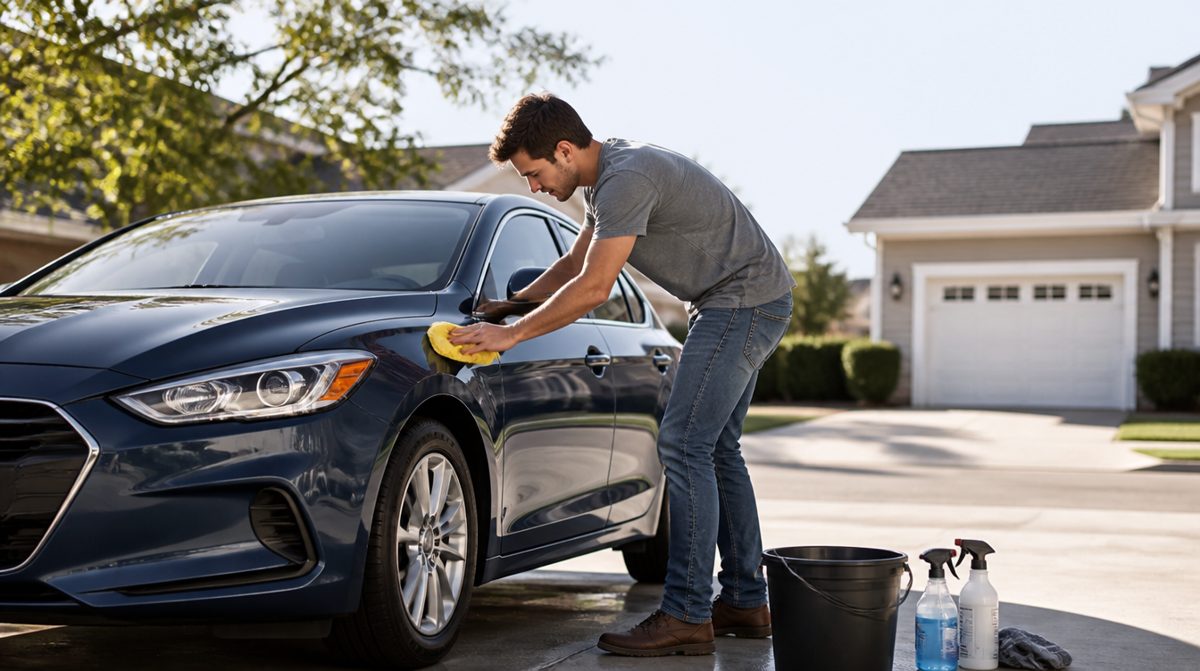
A thorough cleaning is the cheapest improvement you can make. Remove personal items, vacuum the carpets and seats, wipe down the dashboard, and clean the windows inside and out. Wash and dry the exterior, and consider a coat of wax. Tidy the engine bay with a gentle wipe, since a clean engine is easier to inspect.
- Clear out the trunk and glove box
- Wash floor mats and shampoo stains if needed
- Remove odors with airing out and baking soda rather than heavy air fresheners
- Top off washer fluid and check that all lights work
Step 3: Address Small Issues Honestly
Fix inexpensive problems that will bother a buyer, such as a burned-out bulb or a worn wiper blade. For larger issues, decide whether it makes sense to repair them or disclose them and adjust your asking price. Honesty protects you as well as the buyer, since concealed defects can cause disputes later.
Price and List the Car
Step 4: Research a Fair Asking Price
Look at similar vehicles in your area with comparable age, mileage, and condition. Free online valuation tools give ranges based on those factors. Set your asking price slightly above the lowest figure you would accept, so you have room to negotiate.
Step 5: Photograph and Describe the Car
Take clear photos in daylight from every angle, including the interior, dashboard with mileage showing, and any flaws. Write a plain, accurate description covering year, make, model, mileage, condition, and service history. Specific details build trust.
Meet Buyers and Close the Sale
Step 6: Meet Buyers Safely
- Meet in a public, well-lit place, ideally during the day
- Bring a friend if possible
- Ask to see a driver's license before a test drive and go along
- Avoid sharing more personal information than necessary
- Be cautious with unusual payment methods, and confirm funds are real before handing over the title
Finishing the Sale
Complete a bill of sale if your state recommends one, sign over the title as required, and remove your license plates if your state requires it. Notify your motor vehicle agency and your insurance company that the car has been sold. For questions about taxes or liability, consult the official state source or a qualified professional.
The takeaway: organized paperwork, a clean car, honest disclosure, and a researched price make a private sale easier and safer. Take it one step at a time and check your state's rules before you finalize.